September 30, 2026
Soapstone has consistently retained its popularity in kitchen design, transcending fleeting trends and establishing a timeless appeal. This enduring attraction can be attributed to the material's versatility, combining natural beauty and everyday functionality in a way that few surfaces can match. Kitchens featuring soapstone countertops often have an elegant yet understated character that blends comfortably with traditional, contemporary, farmhouse, and minimalist interiors. The natural variations within the stone help create spaces that feel distinctive without becoming visually overwhelming. From its durability and heat resistance to its subtle colors and evolving patina, soapstone provides homeowners with practical and aesthetic advantages that can remain relevant for decades.
The Unique Natural Composition of Soapstone
Soapstone stands apart because of its distinctive natural composition. Comprising primarily talc, chlorite, and magnesium-rich minerals, the stone has a smooth, dense texture that works particularly well for kitchen surfaces. According to HomeAdvisor, artistic soapstone can contain up to 80% talc, making it softer and better suited for sculptures and carvings, while architectural soapstone generally contains 50% to 70% talc, providing greater hardness for residential applications. This difference is important when selecting material for countertops because architectural varieties provide the balance of softness, density, and durability needed for everyday kitchen use.
Soapstone is also recognizable for its subdued coloration and natural veining. Shades typically range from soft gray to deeper charcoal, while individual slabs may feature delicate white, gray, or greenish veins. Because these markings occur naturally, no two installations look exactly alike. This variation provides visual character without requiring elaborate patterns or artificial treatments, making the stone particularly appealing to homeowners who appreciate authentic materials.
Durability That Develops Character Over Time
One reason soapstone continues to be valued is its ability to age gracefully. Rather than requiring a perfectly pristine appearance throughout its lifespan, the stone gradually develops a patina that becomes part of its visual identity. Minor marks and changes in coloration can contribute to this evolving character instead of making the material appear worn out. Homeowners who appreciate natural surfaces often consider this aging process one of soapstone's most attractive characteristics.
The material is also capable of handling the routine demands of an active kitchen. Although soapstone is softer than some other natural stones and can develop scratches, minor imperfections can often be blended into the surrounding surface through appropriate maintenance. This characteristic allows soapstone countertops to remain attractive even after years of meal preparation, entertaining, and everyday family activities. Its combination of resilience and graceful aging helps explain why it has remained relevant through changing kitchen trends.
Heat Resistance and a Non-Porous Surface
Soapstone offers useful performance characteristics for cooking spaces, particularly its resistance to heat. Hot cookware can be a concern with many kitchen materials, but soapstone naturally handles elevated temperatures well. This quality has historically contributed to the stone's use in fireplaces, masonry heaters, laboratory surfaces, and other applications where temperature resistance matters. In kitchens, it provides additional flexibility when working with pots, pans, and baking dishes.
Its non-porous nature is equally valuable. Liquids are not readily absorbed into the stone, helping prevent spills from penetrating beneath the surface. This means common kitchen substances can generally be wiped away without the intensive sealing requirements associated with certain porous natural stones. For busy households, the combination of heat resistance and low absorption makes soapstone a practical material for frequently used preparation areas.
Versatility Across Different Kitchen Styles
Traditional kitchens often emphasize warmth, craftsmanship, and natural materials, all qualities that soapstone complements effectively. Its organic texture and muted hues coordinate well with hardwood cabinetry, detailed millwork, vintage hardware, and classic fixtures. When paired with these elements, soapstone countertops can reinforce the historic character of a room without making the space feel outdated. The stone's ability to develop a patina further supports the lived-in appearance associated with traditional interiors.
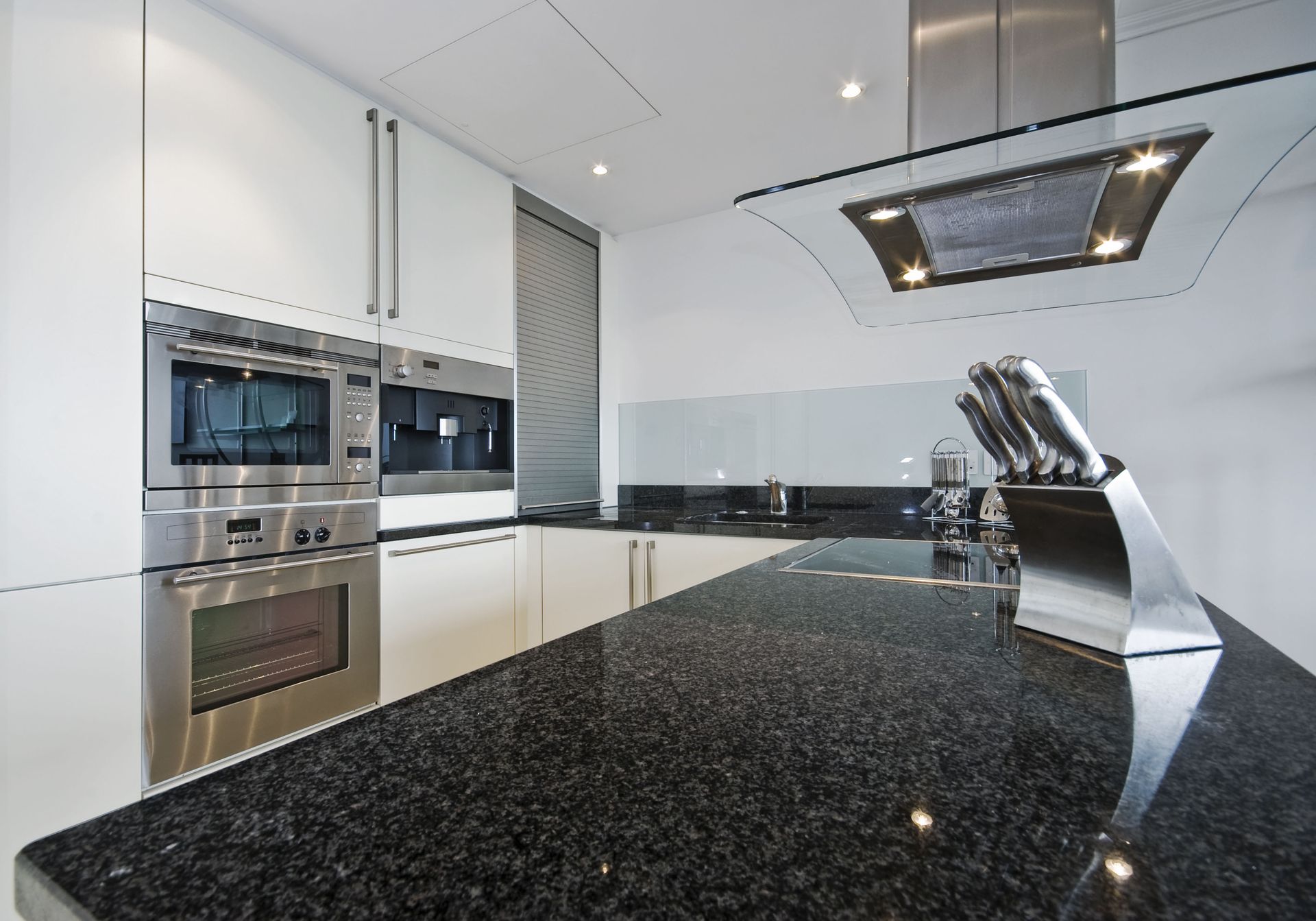
Modern and contemporary kitchens benefit from the material in a different way. Soapstone's restrained colors and smooth appearance coordinate naturally with clean cabinetry, stainless steel appliances, simple hardware, and uncluttered layouts. Rather than competing with bold architectural features, the material can function as a quiet visual foundation. Its adaptability demonstrates why the same natural stone can look appropriate in both a historic-inspired kitchen and a streamlined contemporary home.
Creating Warmth in Farmhouse and Rustic Spaces
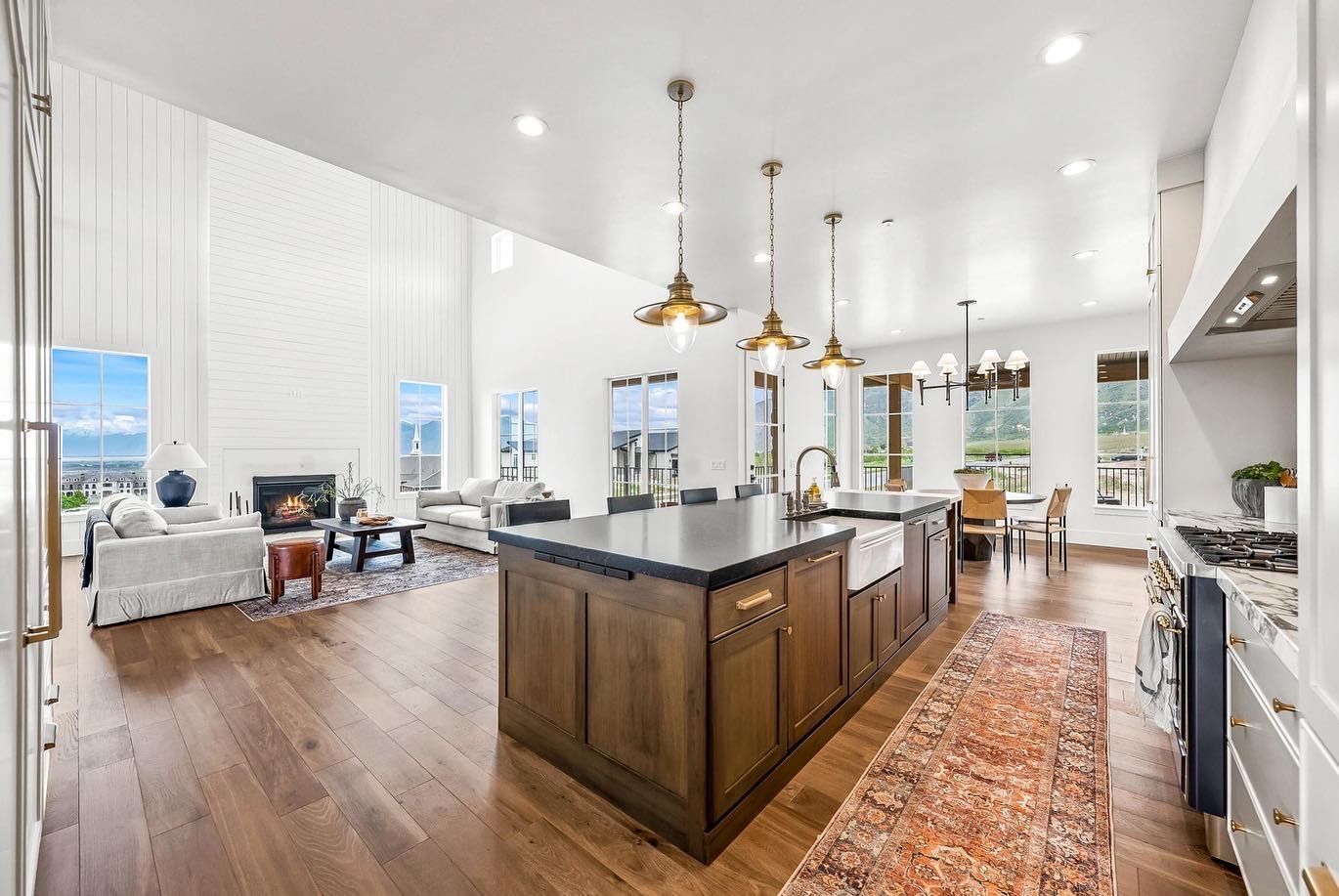
Farmhouse and rustic kitchen designs frequently rely on materials that become more appealing as they age. Soapstone fits comfortably into this philosophy because natural variations and signs of use can contribute to its appearance. Pairing it with wide-plank flooring, exposed beams, apron-front sinks, painted cabinets, or reclaimed wood can establish a kitchen that feels welcoming and established rather than overly polished.
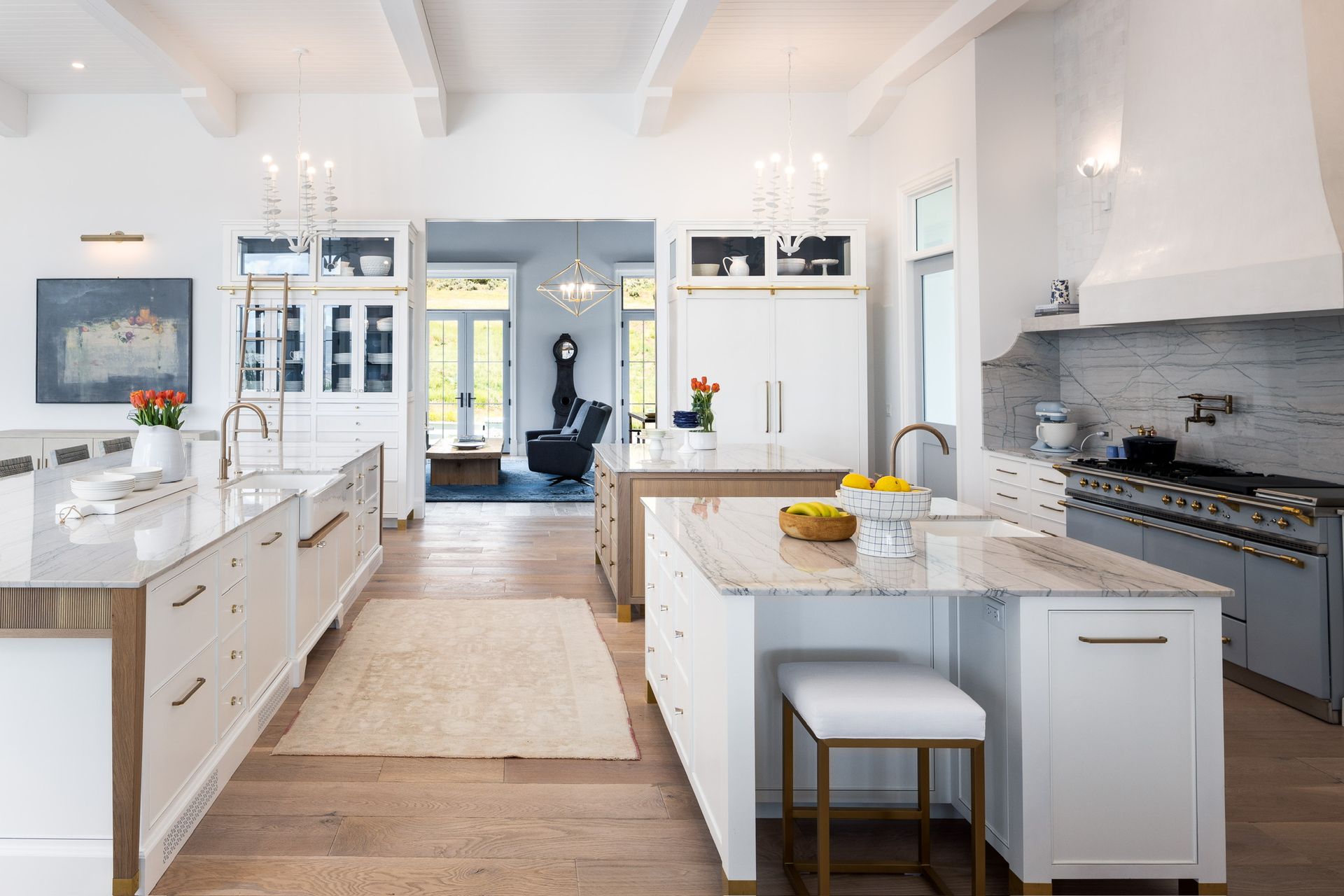
Its darker shades can also create attractive contrast against lighter cabinetry. White, cream, pale gray, and natural wood cabinets can visually stand out beside deep soapstone surfaces, giving the room greater definition. Alternatively, medium-toned stone paired with darker wood can produce a softer and more cohesive palette. These possibilities give designers considerable freedom when balancing rustic character with modern functionality.
Simple Maintenance for Everyday Kitchens
Kitchen surfaces need to look attractive while remaining manageable during daily use. Soapstone generally requires straightforward cleaning with mild soap and water. Because the material is non-porous, it does not typically require the recurring sealing associated with some other natural stones. Mineral oil may be applied when homeowners want to darken the surface and encourage a more uniform patina, but this treatment is primarily aesthetic rather than a necessary protective seal.
This relatively uncomplicated care routine makes soapstone countertops suitable for households where cooking and entertaining occur frequently. Spills can be addressed promptly without specialized cleaners, and the material's natural character means minor evidence of everyday use does not necessarily detract from its appearance. Following the fabricator's recommendations can help preserve the surface while allowing its distinctive patina to develop naturally.
Comparing Soapstone With Other Popular Materials
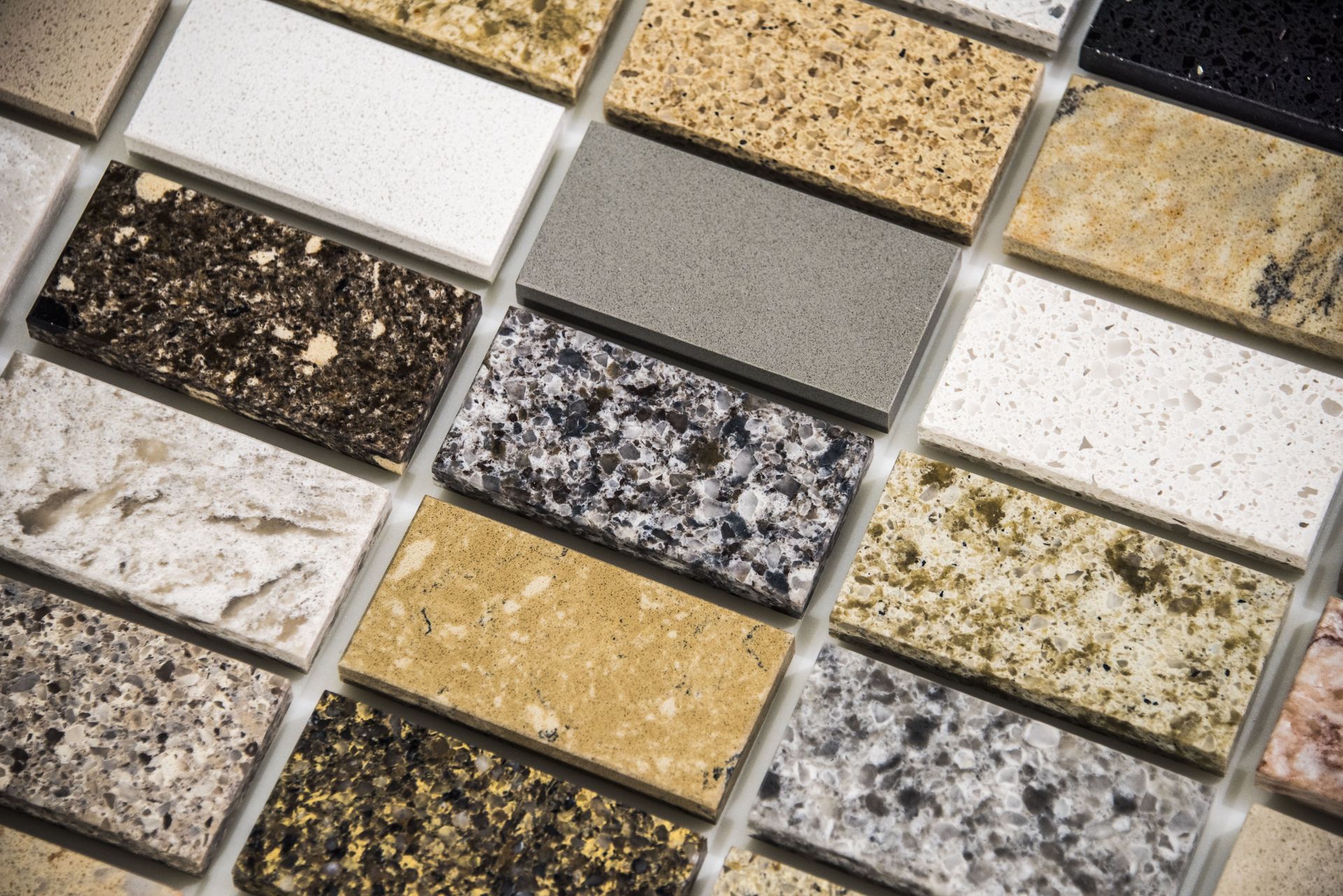
Granite, marble, quartz, and soapstone each offer different advantages, making the appropriate choice dependent on a homeowner's priorities. Granite is known for hardness and dramatic patterns, while marble offers distinctive veining and a classic appearance. Quartz provides consistent coloration and a broad selection of manufactured patterns. Soapstone distinguishes itself through its natural softness, muted visual character, non-porous structure, and ability to change gradually with age.
Maintenance preferences can also influence the decision. Some natural stone surfaces may require periodic sealing, while engineered products can have specific recommendations concerning heat exposure. Soapstone provides a different combination of qualities, particularly for homeowners who value natural materials and do not mind a surface developing visible character. Comparing these practical characteristics alongside appearance and budget can help homeowners select the material best suited to their lifestyle.
Soapstone countertops combine distinctive natural beauty with useful qualities such as heat resistance, low absorption, manageable maintenance, and compatibility with diverse interior styles. Their evolving patina gives each installation a sense of individuality that becomes more pronounced with time. For homeowners who appreciate authentic materials and surfaces that can gracefully reflect years of everyday use, soapstone remains a compelling choice. Its ability to bridge traditional craftsmanship and contemporary design helps ensure that it continues to feel at home in kitchens regardless of how decorating trends change. Contact our team at Graebridge Stone today and learn more about our countertop services.